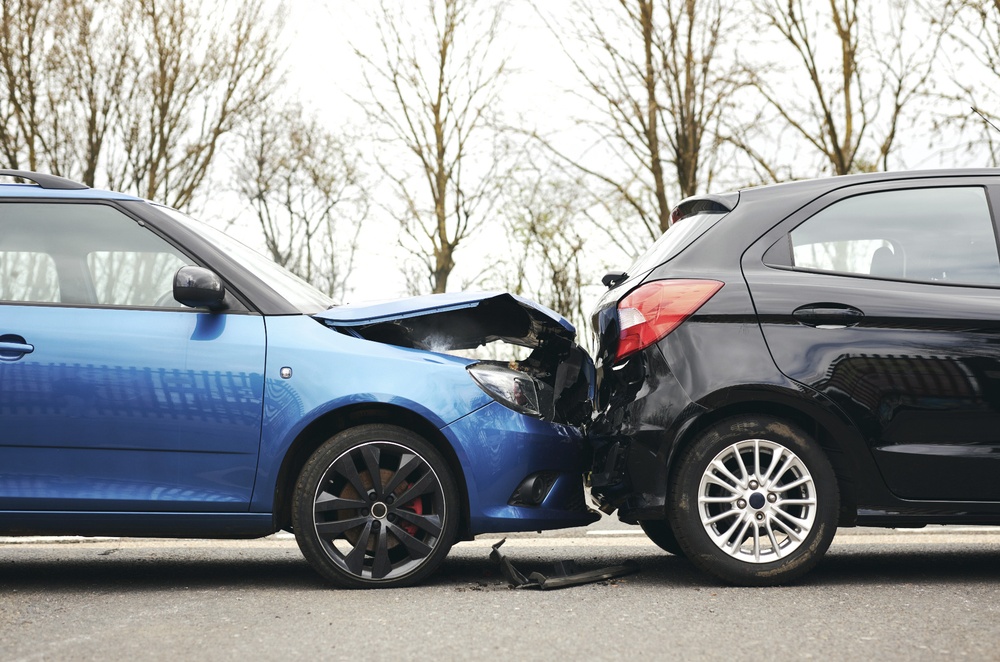


1. Protection against damage & loss
Protection against damage and loss is vital because it safeguards your car, a valuable investment, from unexpected events like accidents, theft, or collisions. Without insurance, repair or replacement costs can be overwhelming and may cause serious financial strain. Comprehensive car insurance ensures that you’re financially protected, covering repair expenses or even the full value of the car if it’s stolen or totaled. It provides peace of mind knowing that whatever happens on the road or while your car is parked, you won’t have to face the financial impact alone.
Covers your car beyond basic liability insurance
-
Unlike CTPL (Compulsory Third Party Liability), which only covers injury or death of other people, comprehensive insurance protects your own car.
-
It covers accidental damage, theft, fire, and vandalism.
Examples of covered incidents
-
A motorcycle sideswipes your parked car then your repairs are covered.
-
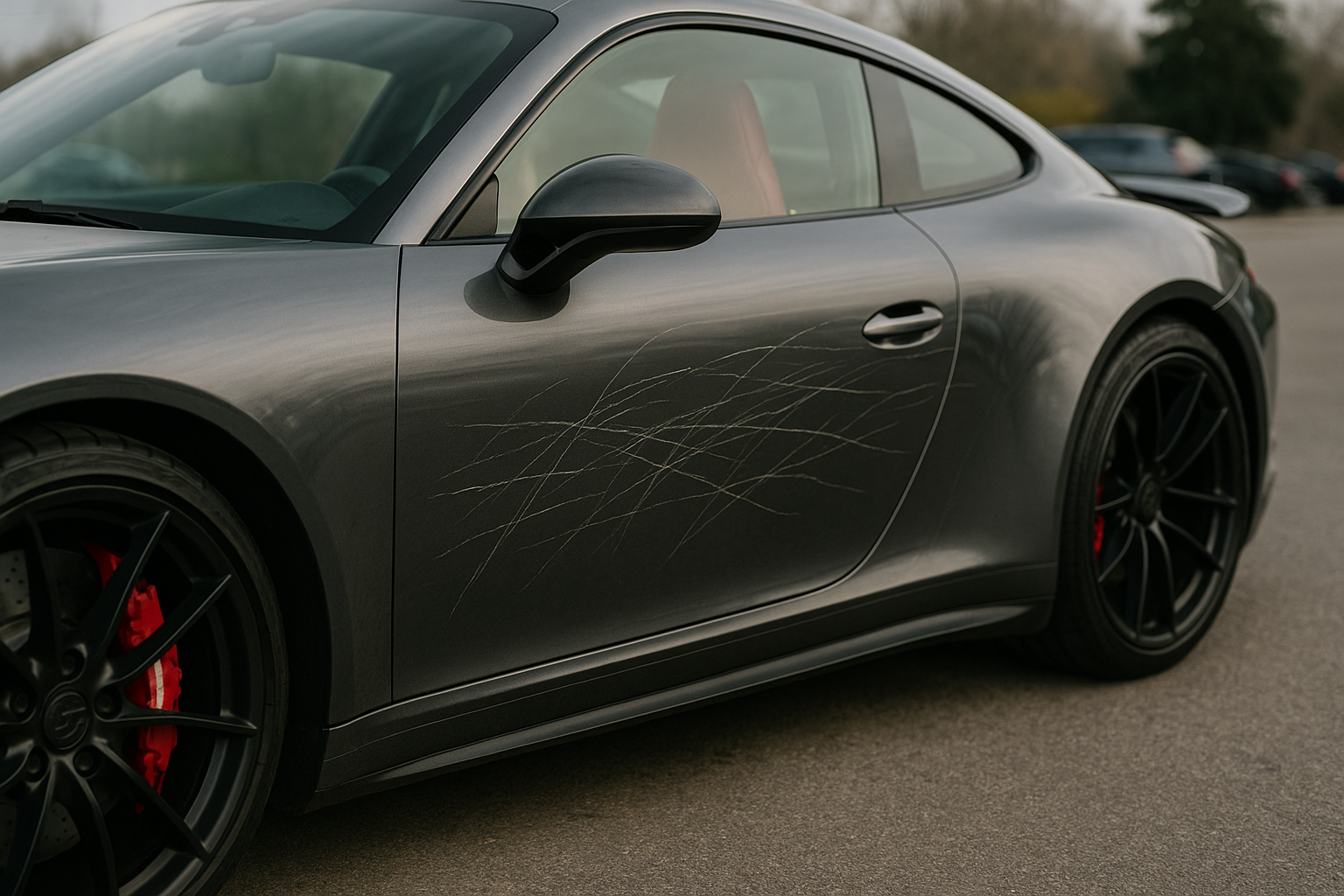
Your car is parked in an overnight car parked and it's keyed with scratches on your doors, this would be covered.
-
Your car gets stolen and you receive the market value or agreed value of the car.
Financial Security

Comprehensive car insurance provides financial security by protecting you from the high and unexpected costs of repairing or replacing your vehicle. In the event of an accident, theft, fire, or damage caused by another person, the insurer covers most if not all of the expenses, so you don’t have to pay out of pocket. Without this protection, a single incident could cost hundreds of thousands of pesos, which can easily disrupt your savings or budget. By transferring that financial risk to the insurer, comprehensive coverage ensures stability, allowing you to recover quickly from unforeseen events without major financial loss.
Prevents large out-of-pocket expenses
-
Repairing or replacing a car can cost hundreds of thousands of pesos.
-
Comprehensive insurance cushions you from these expenses, protecting your personal finances or business cash flow.
Covers your investment
-
A car is a major financial asset. Without insurance, one accident or flood can wipe out your investment overnight.
3. Legal & Regulatory Requirments

In the Philippines, the Land Transportation Office (LTO) requires every vehicle to have Compulsory Third Party Liability (CTPL) insurance before registration. CTPL provides coverage for injuries or deaths to third parties caused by your vehicle, fulfilling the minimum legal requirement for road use. However, CTPL does not cover damage to your own car or property, which is why comprehensive insurance, though not legally required, is strongly recommended for full protection.
If your car is financed through a bank or auto loan, comprehensive insurance becomes mandatory under your loan agreement. This is because the lender technically owns the vehicle until the loan is fully paid. Comprehensive coverage ensures that if the car is damaged, stolen, or totaled, the insurer can cover the loss, protecting both you and the bank from significant financial risk.
4. Protection against Disasters
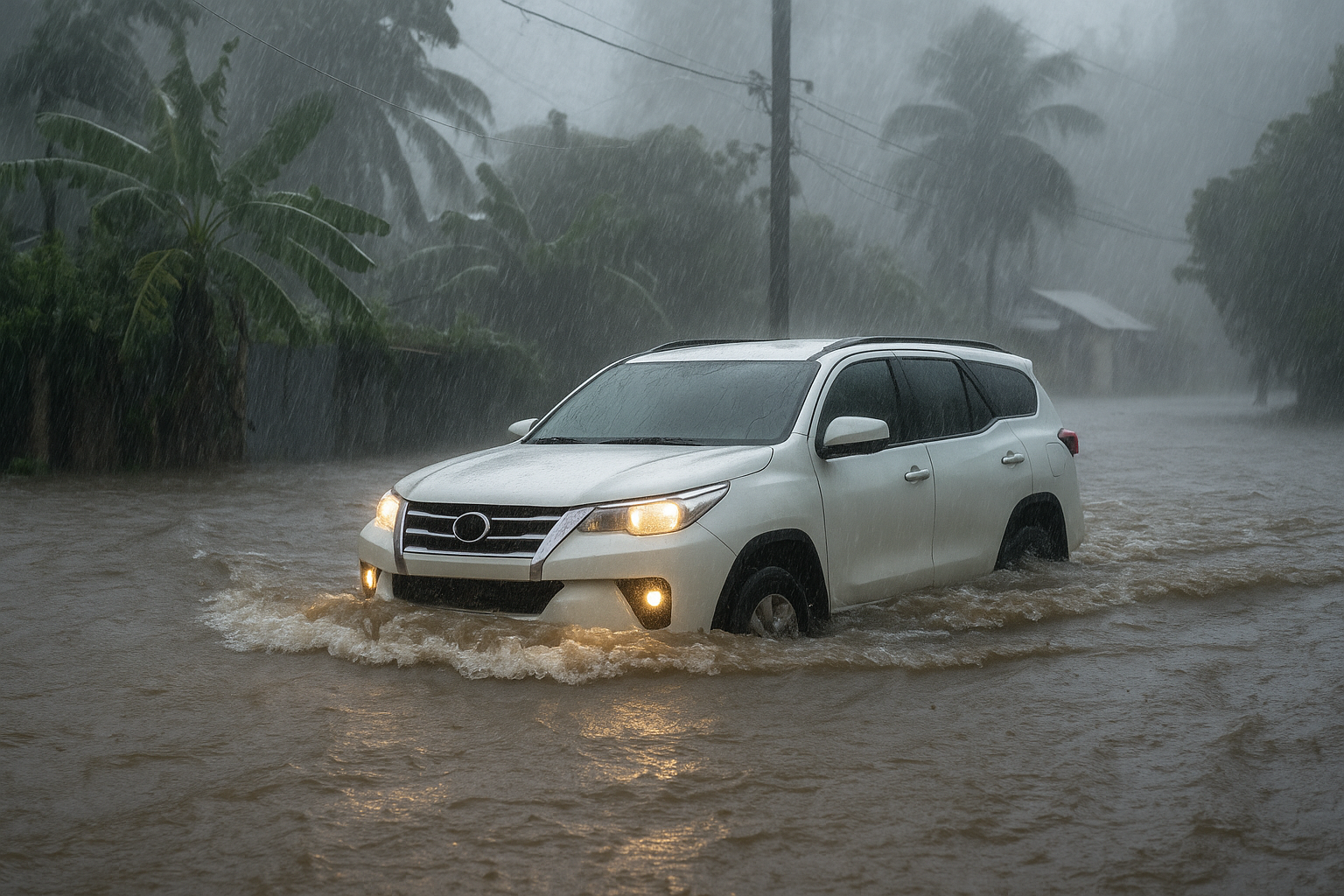
In the Philippines, the combination of climate, geography, and infrastructure challenges makes vehicles highly vulnerable to natural calamities. This is why Acts of God or Acts of Nature insurance coverage is not just optional, it’s a practical necessity for financial protection and peace of mind.
Here are some figures to show just how frequently the Philippines is exposed to major natural events:
-
The country is hit by an average of around 20 typhoons per year.
-
Regarding earthquakes: because the Philippines is on tectonic fault lines, seismic activity is frequent with around 3,000 category 3 earthquakes per year.
-
Flooding and heavy rainfall events are regular and increasing in severity, especially in low-lying and urbanised areas.
-
In the years 2000-2016, natural disasters in the Philippines reportedly caused over 23,000 deaths from events including typhoons, flooding, landslides and earthquakes.
If your car is damaged by an earthquake or typhoon and you have AON coverage, your insurance company can:
-
Pay for repairs or total replacement
-
Provide towing and emergency assistance
-
Help you file and process your claim
-
Potentially give temporary transport support.
It’s full financial protection against unpredictable and costly disasters in the Philippines.
4. Convenience & Helpful Features
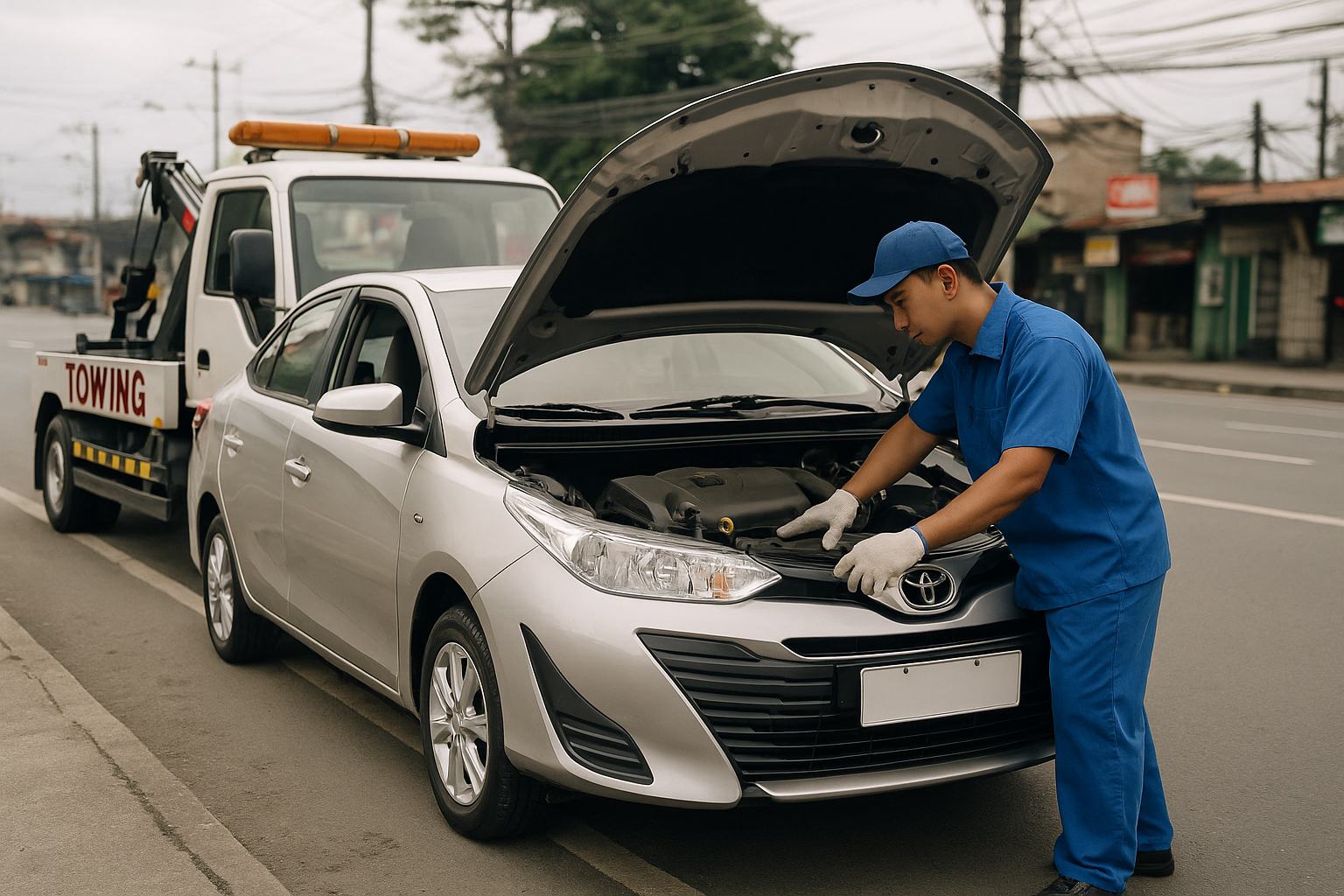
Comprehensive car insurance goes beyond financial protection as it offers added convenience and support when unexpected problems happen on the road. These features are designed to reduce stress, save time, and keep you mobile after an accident or breakdown. They make a big difference in emergencies, ensuring you’re never left stranded or without transport.
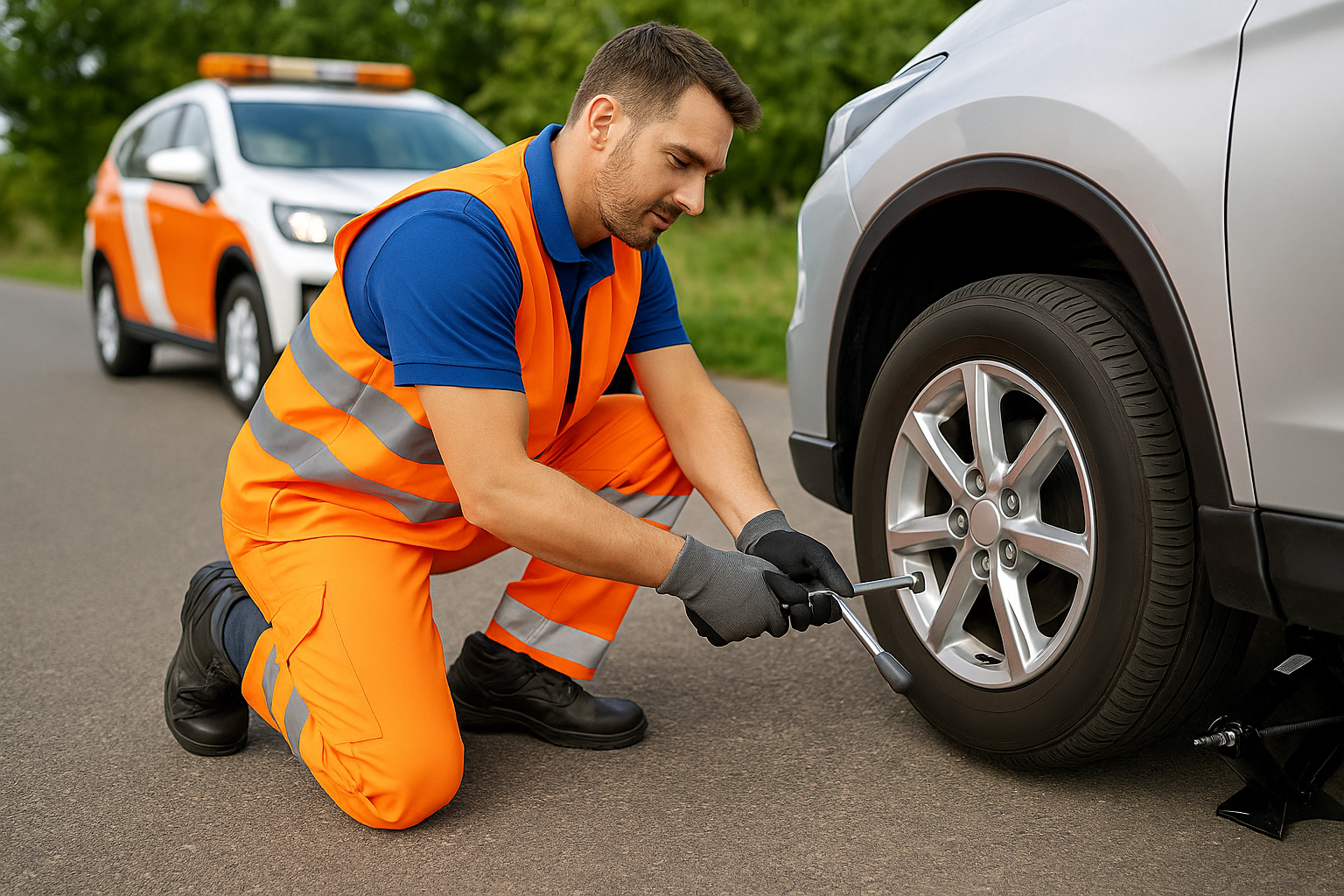
- Towing and Roadside Assistance – Provides free towing to an accredited repair shop and on-site help for flat tires, dead batteries, or engine trouble.
- 24/7 Customer Support – Gives you access to immediate help for claims, towing requests, or emergencies at any time of the day.
- Accredited Repair Network – Ensures your vehicle is repaired by trusted and certified shops using quality parts.
- Hassle-Free Claims Process – Simplifies documentation and approval so you can get your car back on the road faster.
Summary
Owning a car in the Philippines comes with many responsibilities, not just for your vehicle, but for your family’s safety, others on the road, and your financial security. With the country’s exposure to typhoons, floods, and other natural disasters, the risks go far beyond everyday accidents. That’s why having comprehensive car insurance is a smart financial decision as it shields you from costly repairs, total loss, and unexpected emergencies.
Beyond protection, comprehensive coverage also brings convenience through helpful features like towing assistance, roadside support, and loss of use benefits giving you peace of mind wherever you drive.
So don’t settle for the bare minimum CTPL. Invest in comprehensive car insurance that protects not just your car, but your family, your finances, and your future on the road.
Related Articles
There is More to Roadside Assistance than Just Towing Services
Mitsubishi Car Insurance Cost in the Philippines 2025 — Complete Price List & Estimates
Toyota Car Insurance Cost in the Philippines 2025 — Complete Price List & Estimates